Youth & community centres
Small-group programmes, workshops and repeat sessions that give participants a reason to return and something meaningful to build towards.

Programmes for organisations
Ready-to-run tabletop experiences for organisations. The Hobbyist brings the Host, structure, accessible player tools and physical resources — so your team does not need to become tabletop experts before participants can take part.
From a small pilot to repeat delivery, we shape the format around the people, setting and outcomes you are trying to support.
Based in Bristol. Delivery elsewhere is available by agreement, with travel considered as part of the proposed format.
Where it can work
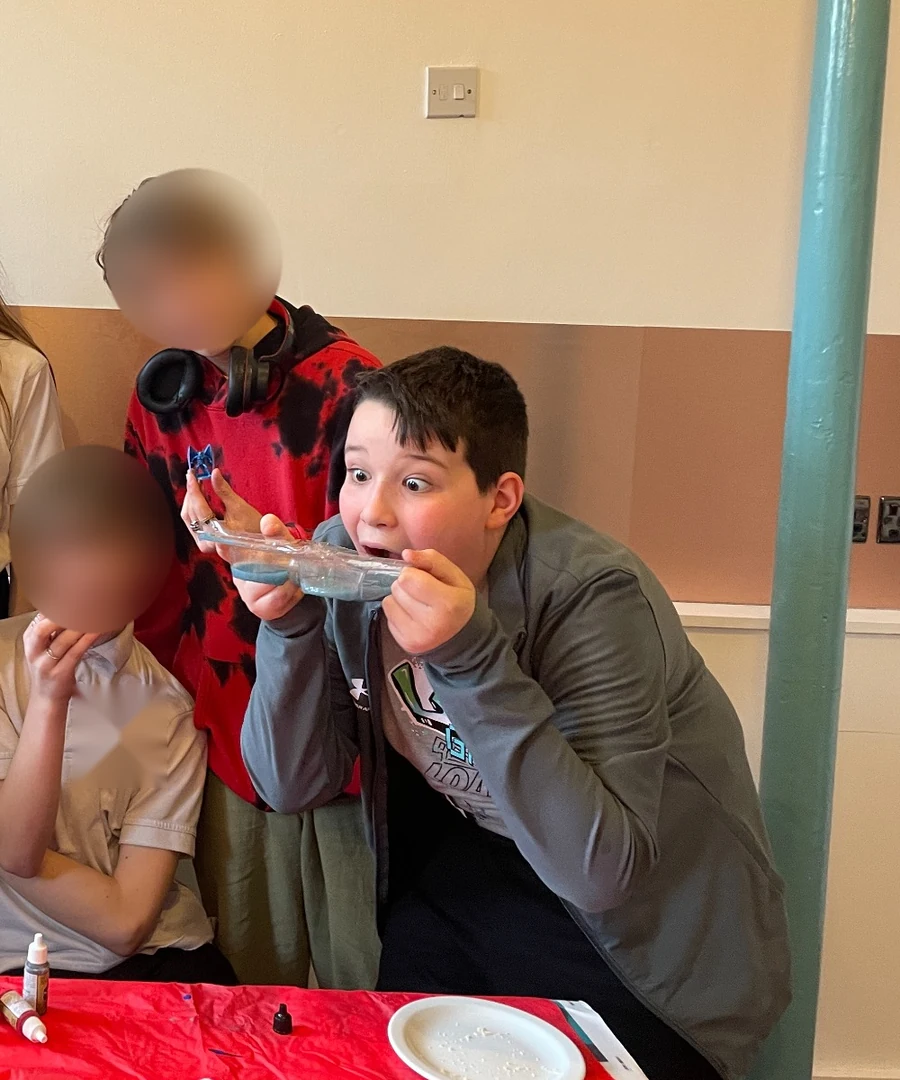
The Hobbyist is designed around people rather than one type of venue. We adapt the Host support, tone, session structure and practical setup to the setting in front of us.
Small-group programmes, workshops and repeat sessions that give participants a reason to return and something meaningful to build towards.
Accessible tabletop experiences that can support communication, collaboration, creativity and structured social participation.
Flexible delivery for groups that benefit from lower-pressure ways to contribute, make choices and build confidence with others.
Pilots, targeted workshops or longer programmes shaped around a local need, participant group or wider community offer.
Working in a different kind of setting? Tell us who you support and what you would like the experience to achieve, and we can shape the right starting point together.
Example packages
These examples show practical ways to commission The Hobbyist without fixing every organisation to the same package or price. We shape the final proposal around the group, setting, staffing and intended outcome.
A focused first delivery that lets the organisation, participants and Host experience the format before deciding what should happen next.
Explorer → Creator → Pioneer gives participants a clear route from joining the table to making, designing and eventually helping lead play.
Accessible play, storytelling, character creation, making or another focused tabletop experience built around the group and available time.
We protect the quality of each table by adding Hosts and structure rather than simply squeezing more active players into one game.
A standard Hobbyist table stays intentionally small enough for people to be heard. Larger delivery is possible when the supporting format grows with it.
Why organisations use it
Participants do not need to be told they are practising communication, problem-solving or collaboration. Those behaviours emerge naturally because the shared adventure gives them something worth talking about.
Players learn what they need through supported play rather than a rules lecture or homework first.
Speaking, choosing, moving pieces, drawing, making, problem-solving and observing can all have a place at the table.
Explorer, Creator and Pioneer create progression without forcing everybody to develop in exactly the same way.
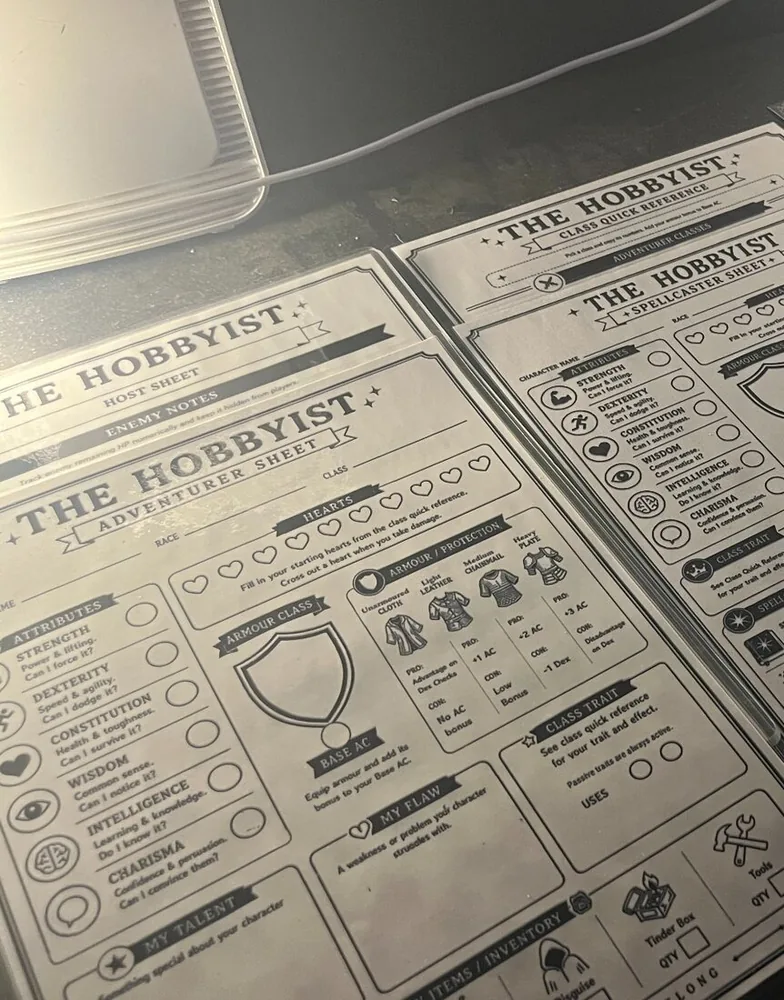
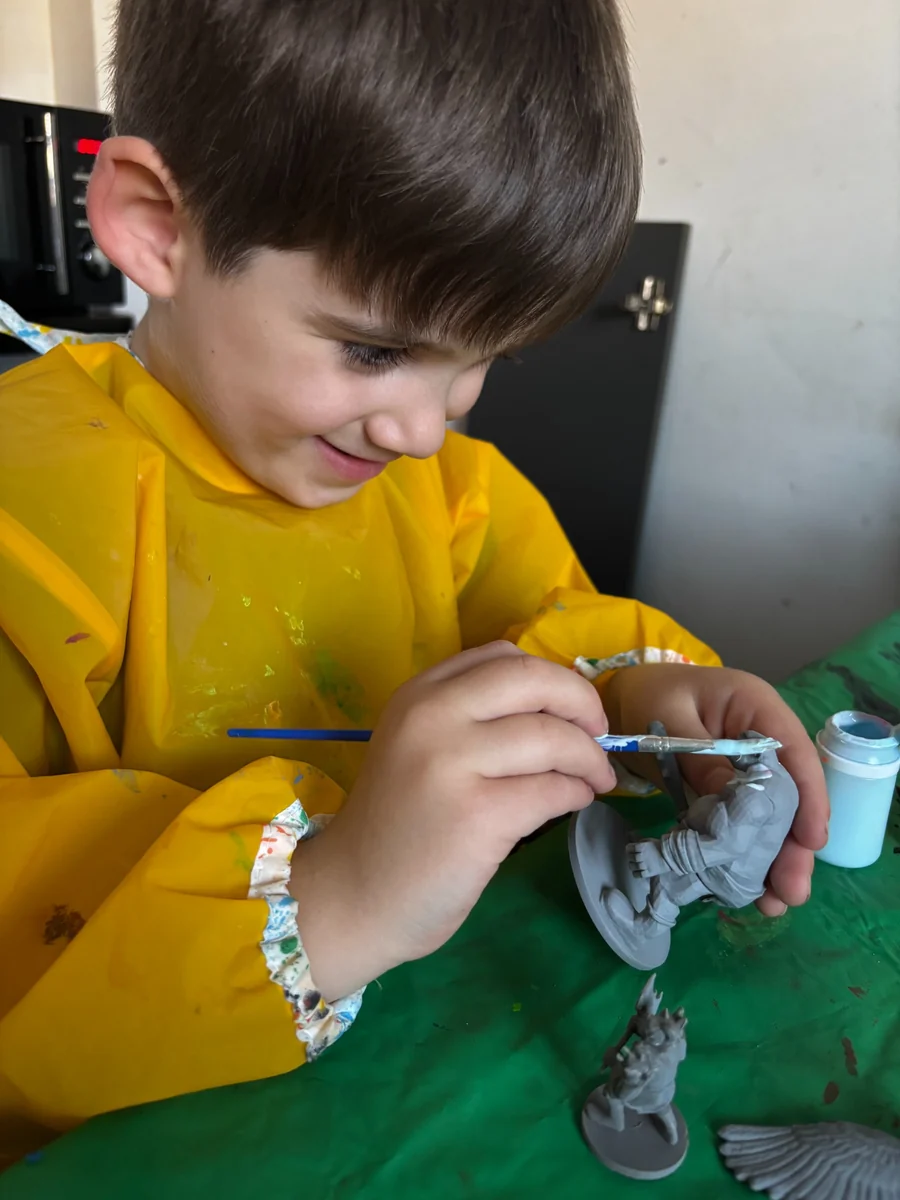
Cards, dice, maps, miniatures and clear references help make an unfamiliar activity easier to follow and easier to share.
Evidence from the table
Feedback from previous hosted tabletop delivery gives us a useful starting point for partnership conversations: not just what we intend the experience to feel like, but what participants and families actually reported.
“Seeing my son leave happy with a spring in his step after the session.”
“Making friends and learning the game.”
“Please don’t stop them!”
“My son loved it and felt at ease quite quickly.”
“My son says: ‘Make them longer and more often.’”
“Excellent — thank you for making us feel so welcome for our first game.”
Delivery confidence
The practical relationship matters as much as the activity. We agree responsibilities, safeguarding and venue needs before delivery so everybody knows what the session requires.
Safeguarding expectations, permissions, supervision and the partner setting’s procedures are discussed before delivery begins.
The organisation is not expected to learn the system or prepare a game. The Hobbyist arrives ready to facilitate the experience.
Public liability insurance is held, and practical venue or delivery requirements are agreed as part of the partnership setup.
Age, confidence, experience, accessibility and group dynamics can all change how a session is introduced and supported.
Who brings what?
The exact responsibilities depend on the setting, but the basic division is intentionally simple.
How a partnership starts
We would rather test a good idea cheaply than force a programme into the wrong setting.
Who you support, what space is available and what you would like participants to get from the experience.
We agree group size, session type, safeguarding responsibilities, practical needs and what success should look like.
Start with an appropriate first session or workshop rather than assuming a longer commitment from day one.
If the group responds well, we use the evidence to refine, repeat or expand delivery.
Common questions
No. The Hobbyist is Host-led and designed so the organisation does not need its own tabletop expertise before participants can take part.
Every group is different, so the experience is shaped around the people at the table. The Host adapts the tone, complexity and support to help different ages, abilities and experience levels play together. Where a particular programme needs an agreed age range, that is made clear in the proposal.
A standard active table is designed for 3–6 players per Host. The current workshop format can support up to 12 participants, and larger groups can be designed around additional Hosts, tables or other deliberately structured formats.
Yes. A taster, pilot or focused workshop is often the best way to find out whether the experience fits the group before considering repeat delivery.
Safeguarding responsibilities, permissions, supervision and venue procedures are agreed before delivery. You can also read our Safeguarding approach.
Cost depends on the format, group size, frequency, staffing and practical delivery requirements. We agree the proposed format and provide a clear cost before anything is committed.
Bring The Hobbyist to your setting
Share the setting, age group, approximate numbers and what you are hoping to achieve. We can work out whether a pilot, workshop or longer programme is the right first step.
Register interest
Choose a product or area below and tell us what caught your eye. We aim to respond within two working days and, where relevant, let you know when there is something new to share.