Communication
Share ideas, explain choices, listen to the table and respond to other people.

Youth learning programmes
Create. Play. Grow. The Hobbyist gives young people an accessible way into tabletop play, then gives them room to make, design and eventually help lead adventures of their own.
The activity comes first. Young people learn the game by playing it — making choices, solving problems together, creating ideas and discovering what happens next.
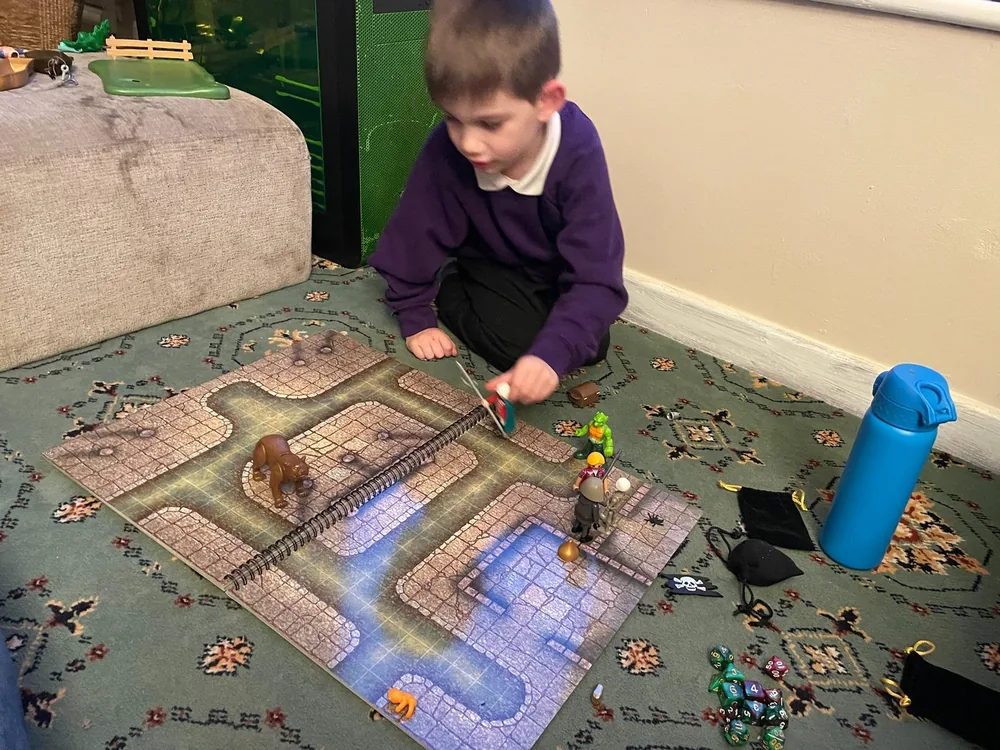
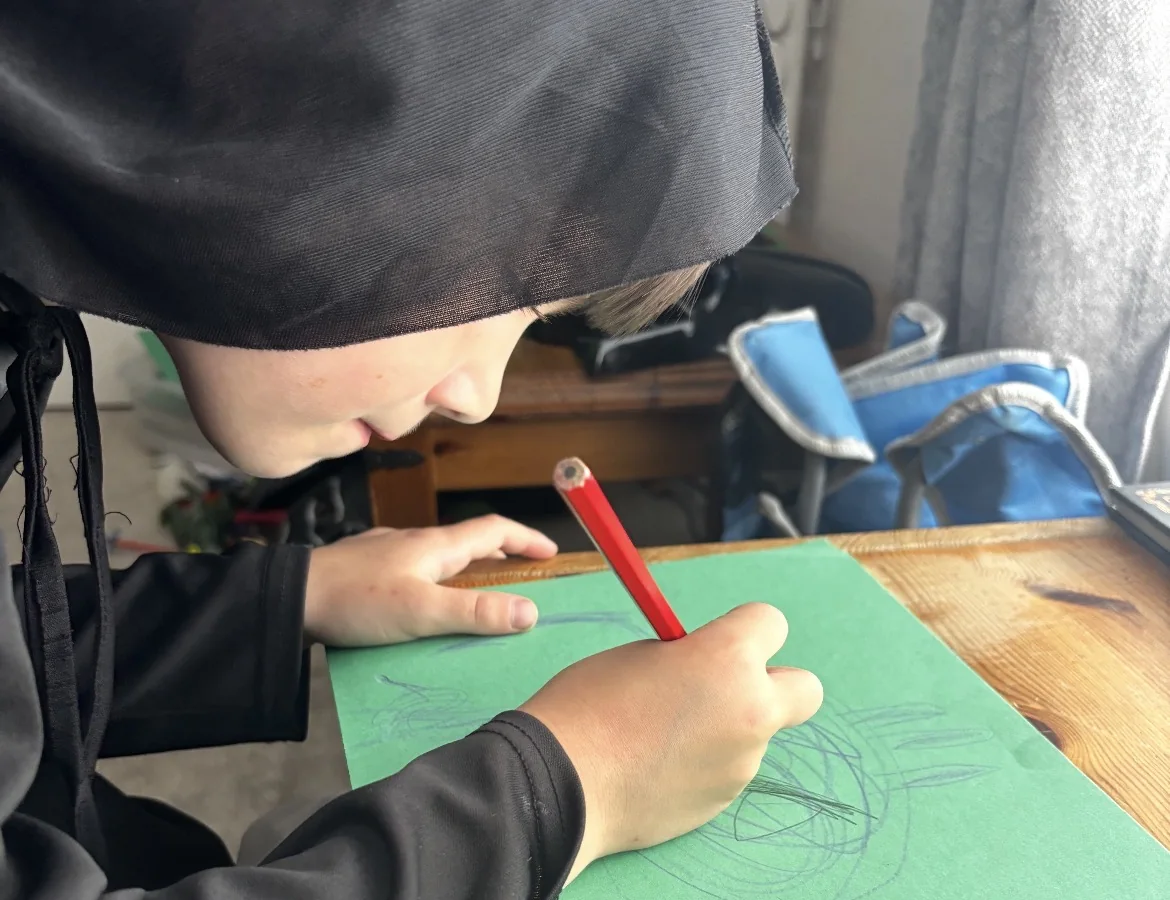
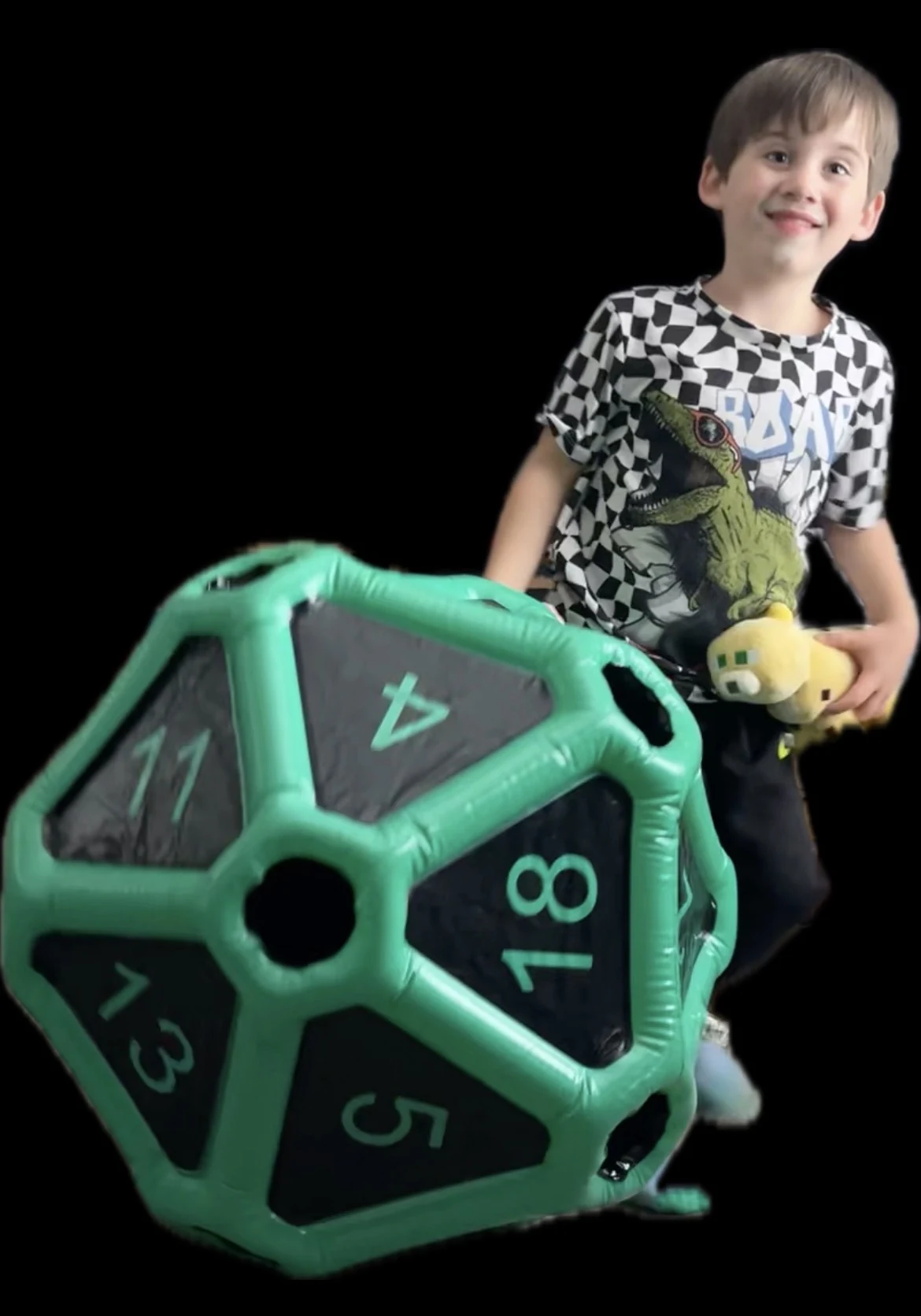
The core pathway
A clear journey from joining the table, to shaping the world, to helping lead the adventure — with room for every participant to progress at their own pace.
Learn how tabletop play works through supported choices, teamwork and discovery.
Explore the stage →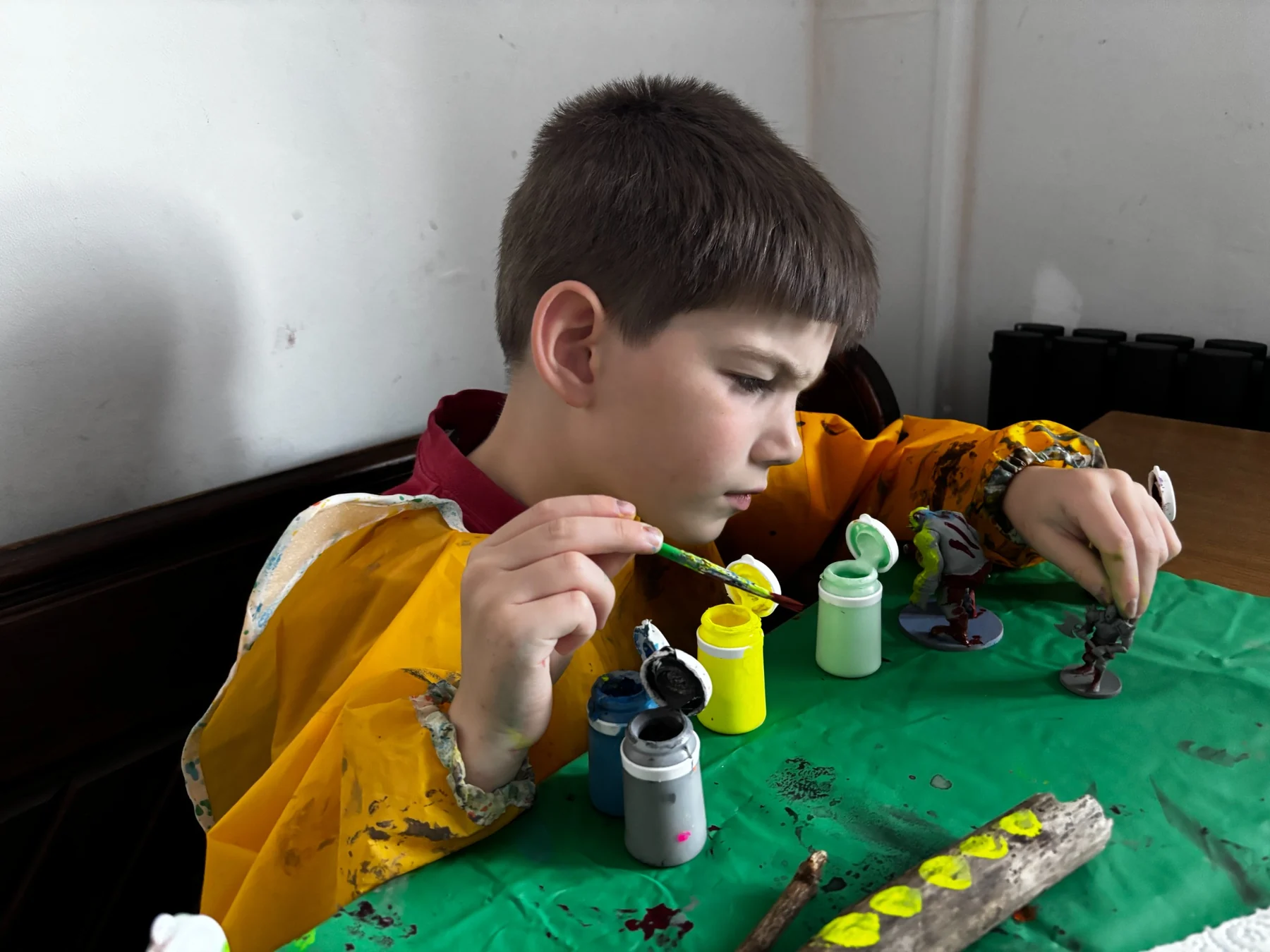
Move beyond playing a character and begin making stories, places, encounters and things of your own.
Explore the stage →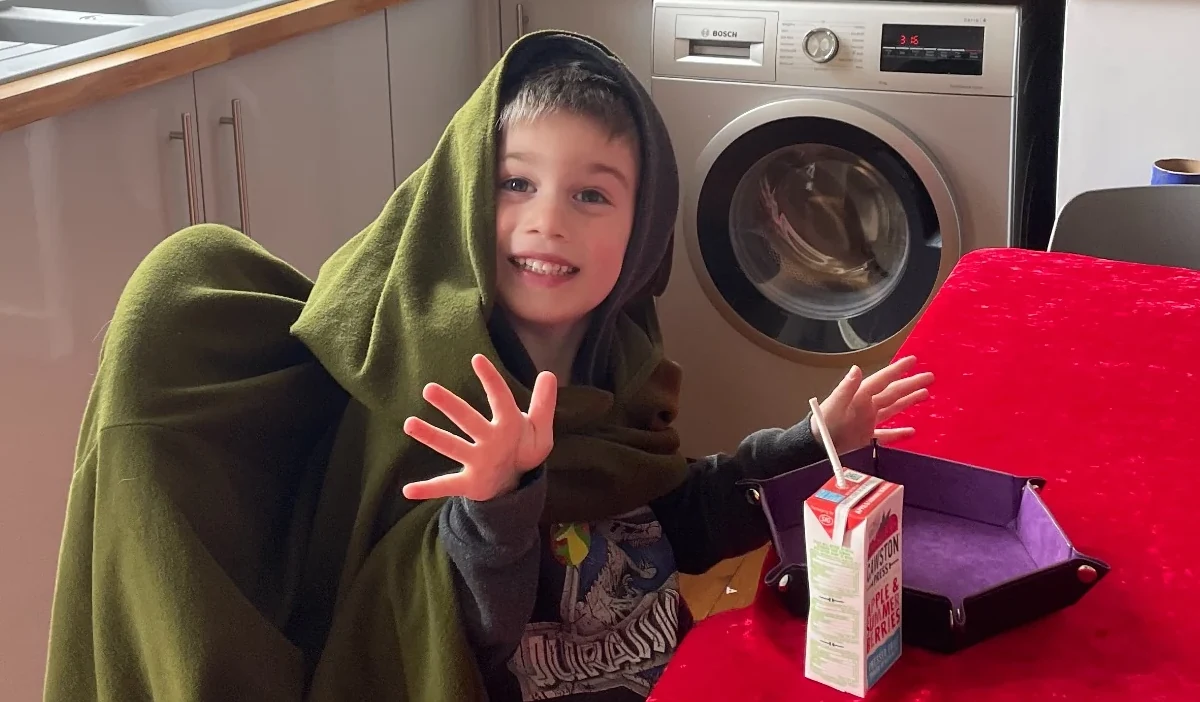
Build confidence in explaining, preparing and eventually helping Host an adventure for others.
Explore the stage →Why tabletop?
Every adventure creates natural opportunities to speak, listen, choose, adapt and contribute. The Hobbyist is designed to make those opportunities easier to access while keeping the experience fun first.
Share ideas, explain choices, listen to the table and respond to other people.
Work towards shared goals while making space for different approaches and personalities.
Try ideas, weigh consequences and adapt when the story changes direction.
Imagine characters, stories, maps, encounters and physical things that make the world feel real.
Move from joining in to shaping the experience and, eventually, helping other people play.
The point is still to have a good time together. The developmental value works because the table is somewhere young people actually want to be.
What players & families told us
Feedback from previous hosted tabletop sessions gives us something more useful than a promise: a picture of how the experience actually felt to the people around the table.
“Seeing my son leave happy with a spring in his step after the session.”
“Making friends and learning the game.”
“Excellent — thank you for making us feel so welcome for our first game.”
“Please don’t stop them!”
“My son says: ‘Make them longer and more often.’”
“This was my first time playing and I loved it. It was really fun and I liked meeting new people.”
“The flexibility of the game balanced enough of a challenge while maintaining an accessible narrative.”
“I really enjoyed the characters bouncing off each other and how the quest was planned.”
“He was awesome. He also made it easy for people to understand.”
These figures and comments come from previous hosted tabletop sessions and form part of the delivery history that has informed the current Hobbyist approach.
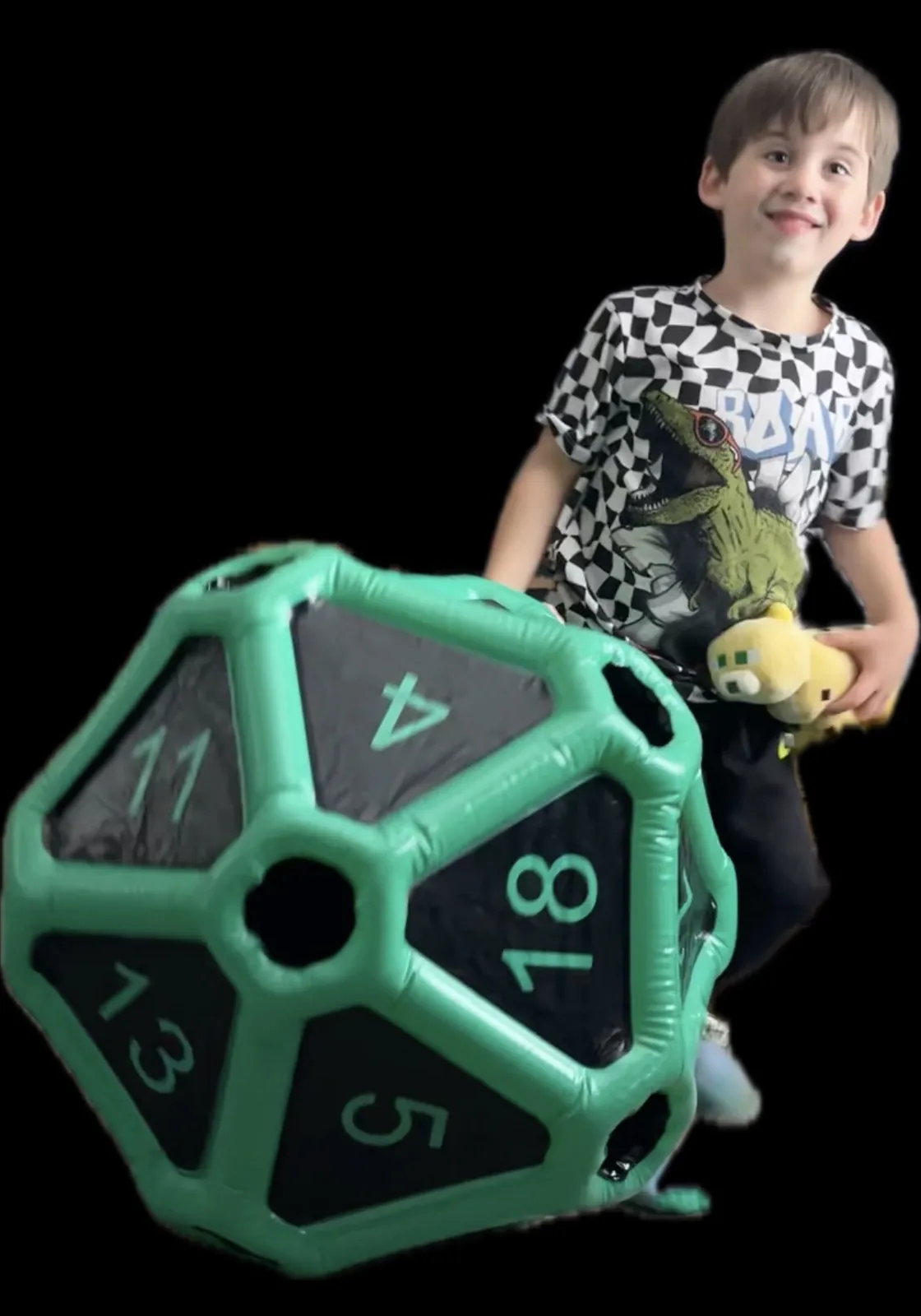
Explorer is the easiest way into The Hobbyist. Players do not need to arrive knowing a ruleset or having built a character. The Host provides the structure, the table provides the choices, and the game teaches itself through play.
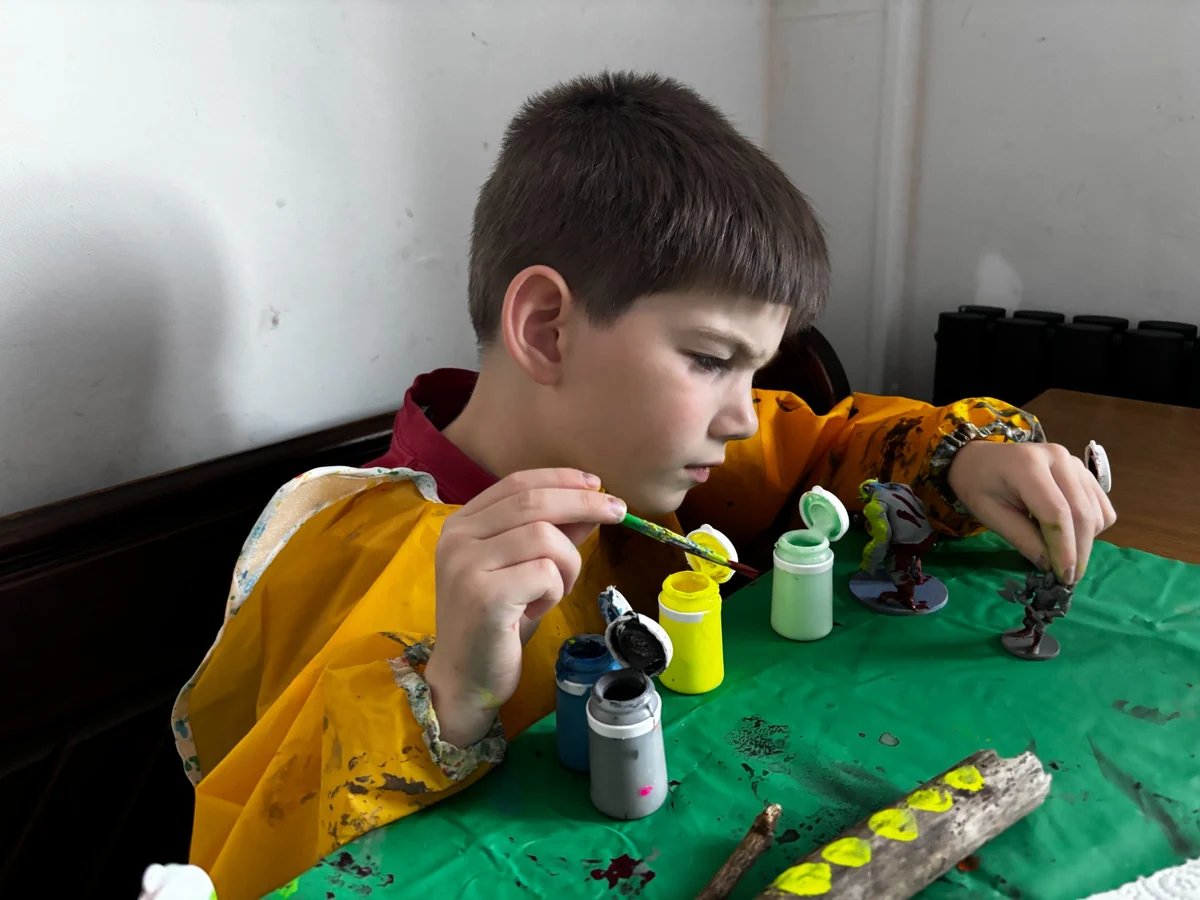
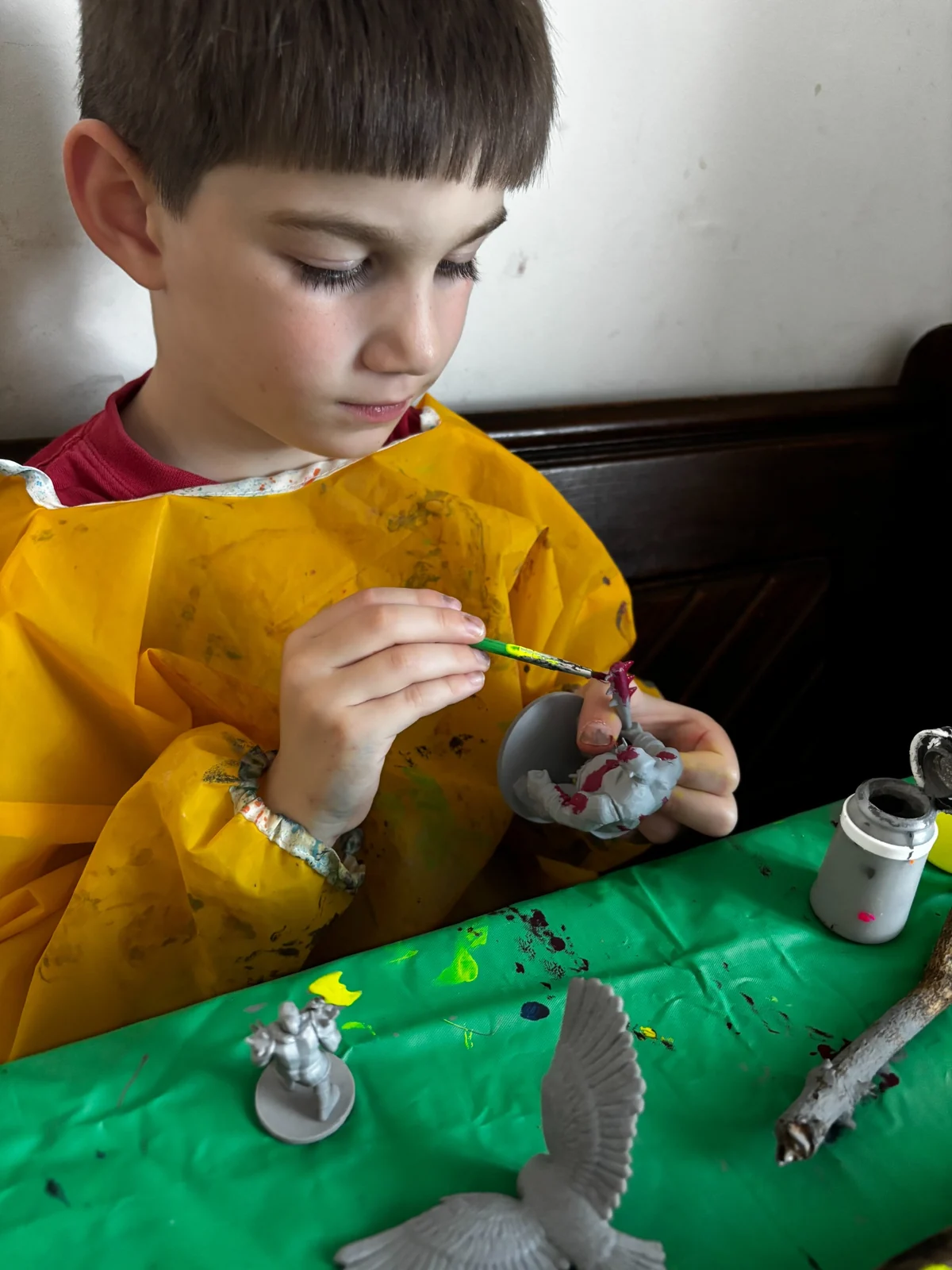
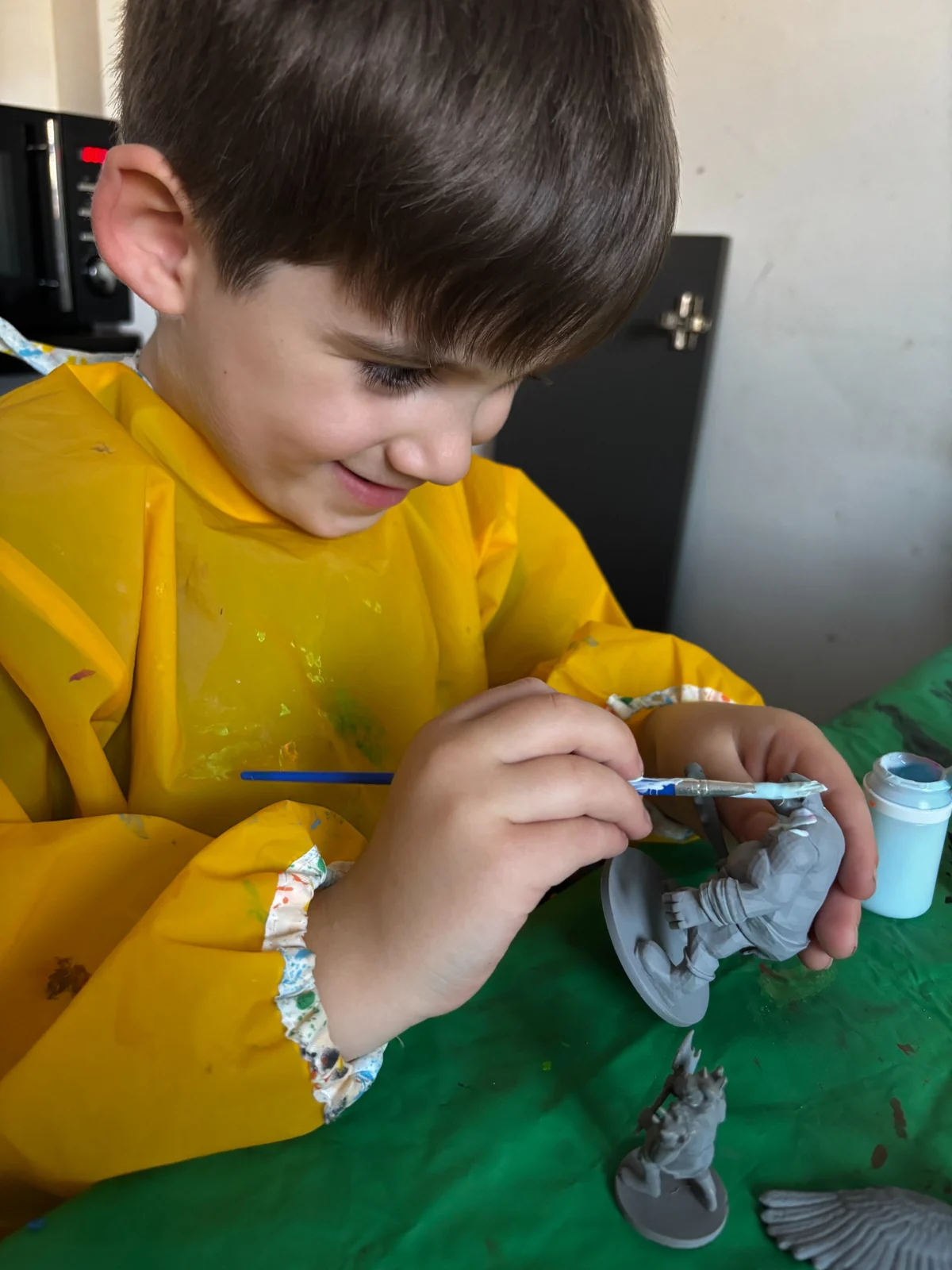
Creator gives players permission to change roles: from consuming the adventure to making parts of it. That can mean designing characters, drawing places, inventing encounters, painting, building or telling a story that other people can interact with.
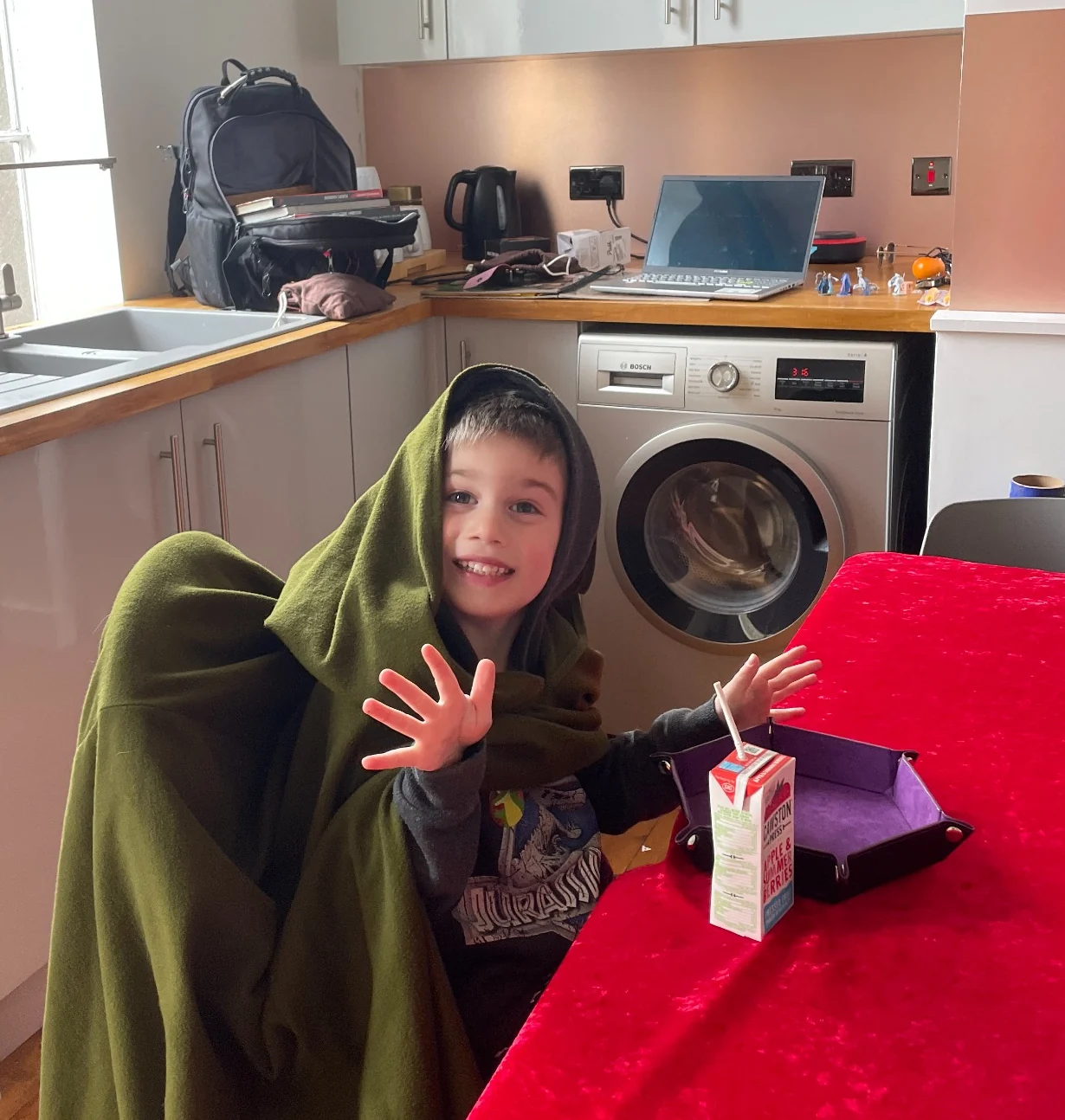
Pioneer turns experience into leadership. Young people start looking at an adventure from the Host side: how to prepare something, explain it clearly, respond when players surprise you and help everybody get a chance to contribute.
What a session feels like
A typical Hobbyist session has a recognisable rhythm, but the choices inside it belong to the table.
Get comfortable, reconnect with the group and establish what is happening today.
Pick up characters, ideas and objectives without a long rules lecture.
Make choices, solve problems, roll dice and see how the world responds.
Bring the immediate challenge to a satisfying stopping point rather than simply running out of time.
Talk about what happened, recognise contributions and leave the table ready for what comes next.
Programme & workshops
The same accessible approach can support a longer learning journey or a focused one-off experience. The format changes; the principle does not: make it easy to join in, give the group meaningful choices and build from there.
Youth delivery is planned with safeguarding, permissions, supervision and the partner setting agreed in advance. Read our safeguarding approach.
The full Explorer → Creator → Pioneer pathway supports repeat delivery across a longer programme, giving participants time to grow into greater ownership rather than rushing towards it.
Shorter workshops can draw from the same approach: accessible play, making, storytelling, character creation or a focused tabletop experience built around the group.
Workshop capacity: up to 12Every group is different, so the experience is shaped around the people at the table. The Host adapts the tone, complexity and support to help different ages, abilities and experience levels play together.
What The Hobbyist brings
The organisation should not need to become a tabletop expert before the first young person can sit down and play. The Hobbyist brings the structure, tools and physical materials needed to get started.
A guided experience with someone responsible for introducing the game, supporting the table and keeping the session moving.
Character sheets, references and pre-generated options designed to reduce the learning barrier and get people playing sooner.
Dice, cards, miniatures, maps and supporting resources that make the shared table tangible and easier to follow.
Explorer, Creator and Pioneer give participants a meaningful next step without forcing everybody to progress at the same pace.
Common questions
No. The core experience is designed for first-time players and experienced tabletop players alike. The Host introduces what is needed through play rather than expecting homework first.
We shape the delivery around the people at the table. Family and private sessions can support mixed-age groups when the format is tailored appropriately, while a particular programme or workshop may set its own age range. Host support, tone, rules and complexity are agreed around the audience and setting.
No. The Hobbyist uses its own accessible tabletop approach, physical resources and progression model. The aim is to make the experience easier to enter and easier to deliver, not to teach one commercial ruleset.
They do not have to. Participation can look different at the same table: making decisions, moving a miniature, solving a puzzle, drawing, building, writing or simply contributing when they feel ready.
Safeguarding, permissions, supervision and venue procedures are agreed before delivery. You can also read our Safeguarding approach.
Yes. Learn explains the participant experience; our Partners route is where we discuss delivery models, organisation requirements and ongoing programmes.
Pull up a chair
Tell us who the programme or workshop is for, the setting you have in mind and what you would like the young people to get from the experience. We can work out the right starting point together.
Register interest
Choose a product or area below and tell us what caught your eye. We aim to respond within two working days and, where relevant, let you know when there is something new to share.